Select Your Diamond

Diamonds are treasured for their exceptional quality, refined brilliance, and natural rarity. Diamonds are evaluated according to precise gemological criteria, known as the 4Cs of a Diamond 

Cut, Carat, Color, Clarity

 Explore the art of selecting the perfect diamond
with the GALLERY DIAMOND diamond buying guide.

A Diamond Chosen for a Lifetime

A diamond and a finely crafted diamond jewelry piece represent a once-in-a-lifetime milestone.

Choosing the right diamond deserves expert gemological guidance, absolute integrity, and an uncompromising commitment to quality.

At GALLERY DIAMOND, we specialize in ethically sourced, expertly graded natural diamonds and high-end diamond jewelry.

Each diamond is carefully selected based on precise gemological standards, including cut excellence, carat weight, color, clarity, and light performance—ensuring exceptional brilliance and enduring value.

Our passion lies not only in offering exceptional diamonds, but in honoring the emotions and significance behind every purchase.

We believe our greatest success is not the diamond we sell, but the trust we build—turning every customer into a lifelong admirer of our brand.

How to Buy a Diamond

The right jeweller is a true diamond expert—one who offers precise, transparent guidance through the internationally recognized 4Cs of diamond quality: Cut, Color, Clarity, and Carat weight.

Each of these gemological characteristics plays a critical role in defining a diamond’s brilliance, rarity, and long-term value.

What Matters When Buying a Diamond:

Trust GALLERY DIAMOND for expert diamond guidance, certified quality, and complete transparency.

KNOWING THE 4Cs OF A DIAMOND

Learn the 4Cs Before You Choose

The value of a diamond is measured by the 4C’s
Recognized across the globe, these four principles set the benchmark for diamond excellence and serve as the foundation for accurate quality assessment and valuation.

CARAT

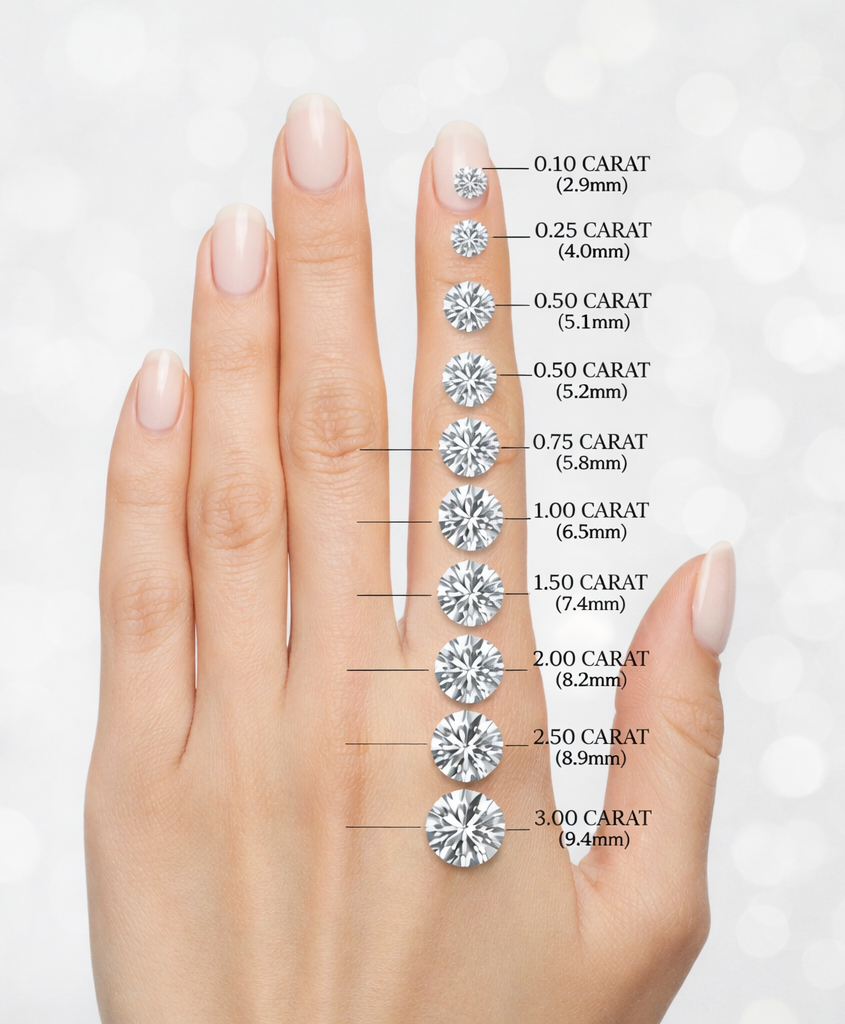
Carat is the global standard used to measure a diamond’s weight, offering an indication of its overall size. One carat equals 0.2 grams and is divided into 100 cents.

For instance, a 25-cents diamond represents 0.25 carat. While higher carat weight generally means a larger diamond, its actual appearance can vary depending on the cut and proportions.

The chart below shows the approximate size comparison across different carat weights, helping you visualize how carat translates into presence and scale.

Exceptional-quality diamonds are available across all carat weights.

Diamond pricing is closely tied to carat weight, and even small differences can lead to significant price changes.

For example, a 0.98ct diamond may cost noticeably less than a 1.03ct diamond, as they fall into different pricing brackets under the international Rapaport list.

Diamonds with the same carat weight can still vary in value based on cut, color, and clarity.

CLARITY

Born deep within the earth, diamonds often contain microscopic traces of carbon and natural elements.

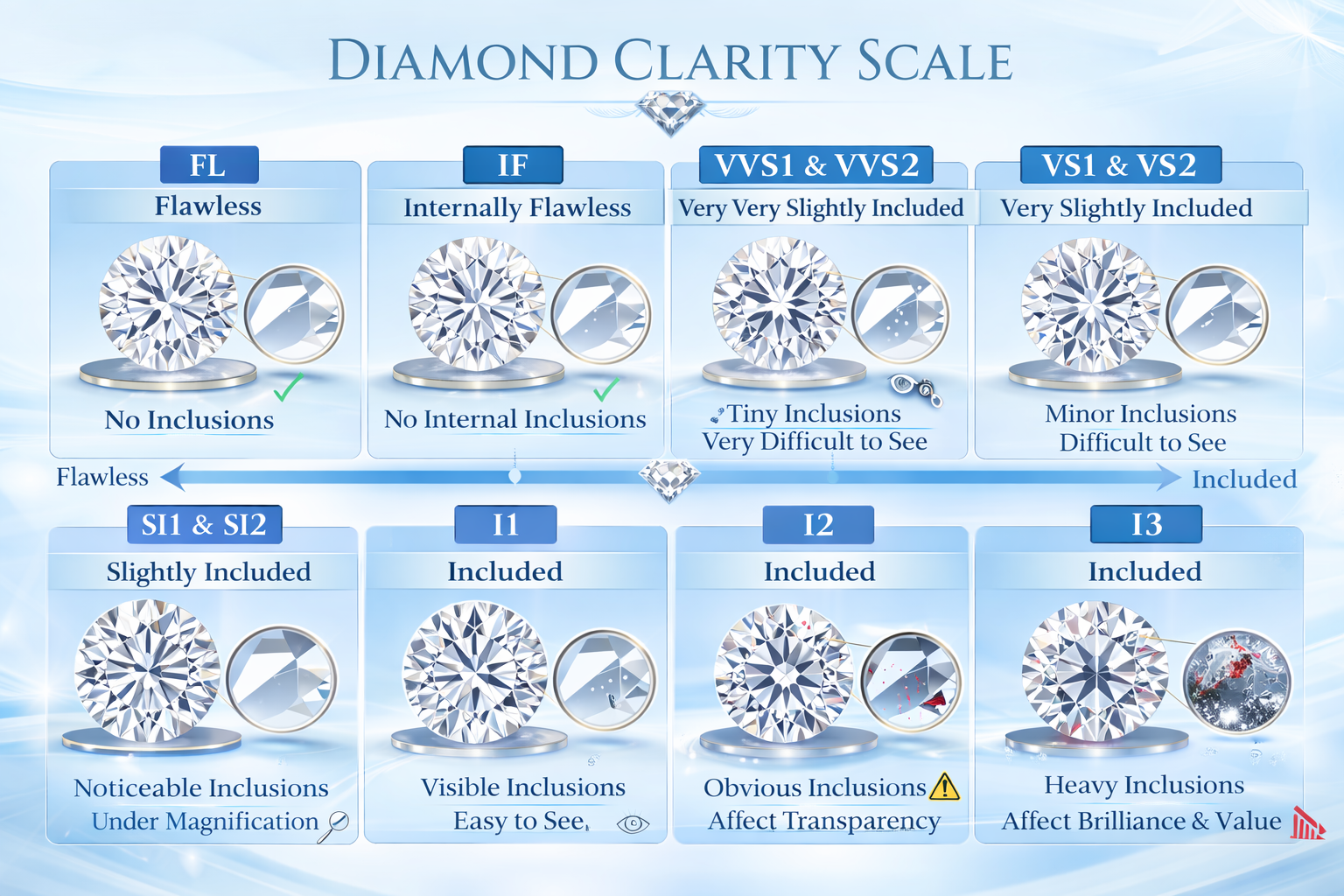
So small they remain invisible to the naked eye, these features are revealed only through a 10× achromatic jeweler’s loupe.

Every inclusion tells a story, making each diamond one of a kind.

As inclusions decrease, clarity, rarity, and value increase.

Understanding the clarity scale ensures you select a diamond that truly shines.

Diamond inclusions are natural internal characteristics that define the identity and uniqueness of each gemstone.

No two diamonds are exactly alike, and these microscopic features serve as a diamond’s natural fingerprint.

The number, size, position, and visibility of inclusions directly determine a diamond’s clarity grade.

Fewer and less visible inclusions result in higher clarity, greater rarity, and increased value—particularly in fine natural diamonds.

The Diamond Color Spectrum

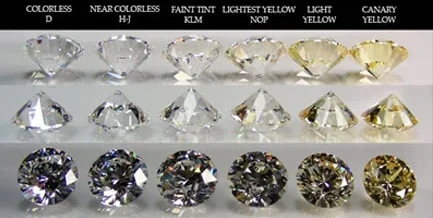
The value of a diamond in the colorless scale is significantly influenced by the presence—or absence—of color. This journey moves from clinical purity to rare, vivid saturation.

DE–FG (Colorless)

The pinnacle of rarity. These "Exceptional White+" "Exceptional White", "Rare White+", "Rare White" diamonds appear ice-like and contain no detectable hue to the naked eye.

H–J (White)

An excellent balance of value and beauty. These diamonds offer outstanding brilliance with minimal color detection.

K–Z (Tinted)

Warm character. These stones display a gradual increase in warmth, ranging from a faint hint to a visible light to dark yellowish tint.

How a Diamond is Examined to Define Its Color Grade: Gemological Laboratory Guide

When it comes to evaluating a diamond, color grading is one of the most critical aspects of its overall quality and value. In a professional gemological laboratory, diamonds are assessed under strict scientific protocols to ensure accurate and consistent color classification.

Here’s a detailed guide on how labs examine diamonds to define their color grade.

Diamond Cut: Brilliance That Speaks for Itself

The most classic and widely used diamond cut is the Brilliant cut.

It features 57 precisely arranged facets (or 58 facets including the culet), engineered to maximize light performance.

This cut is specifically designed to enhance a diamond’s brightness, fire, and overall sparkle.

The exceptional optical performance produced by this cut is known as a diamond’s brilliance.

The Art of Brilliance: Understanding Diamond Cuts & Iconic Shapes

Because the majority of diamonds are fashioned in the Brilliant cut, the term “diamond” is often mistakenly used interchangeably with “Brilliant.

” However, Brilliant refers to the cut style, not to the mineral Diamond.

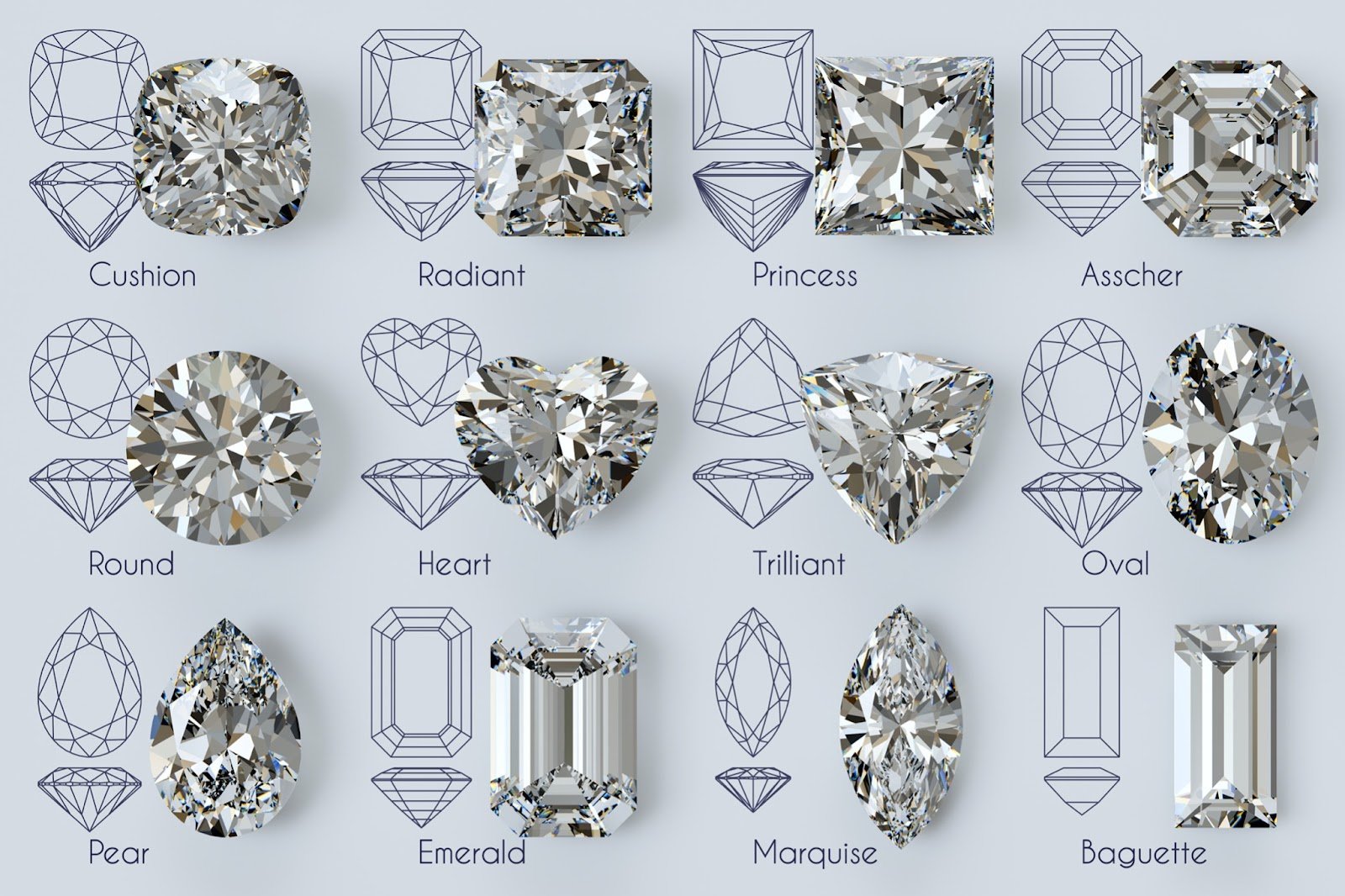
Diamonds are crafted into a variety of shapes based on the characteristics of the original rough stone.

Each shape is carefully chosen to optimize beauty, brilliance, and yield.

Among these, the eight most popular diamond shapes are Round, Marquise, Pear, Oval, Emerald, Princess, Radiant, and Heart, each offering a distinct visual appeal and style.

The Brilliance of Craftsmanship

The choice of a diamond is ultimately a matter of personal taste. Regardless of preference, a well-cut diamond is the result of expert craftsmanship, as it is the cut that allows the stone to reflect light effectively, creating exceptional sparkle and scintillation.

Irrespective of shape, every diamond derives its brilliance from the precise cutting and polishing of its facets. This craftsmanship enables maximum light to enter through the top of the diamond and be reflected and dispersed back upward, enhancing its visual performance

If you plan to have a diamond mounted, be sure to record the stone’s measurements. While settings may change, measurements remain constant and are essential for accurate fitting and future reference.

Diamond Cut Grading: How to Evaluate the Brilliance of a Diamond

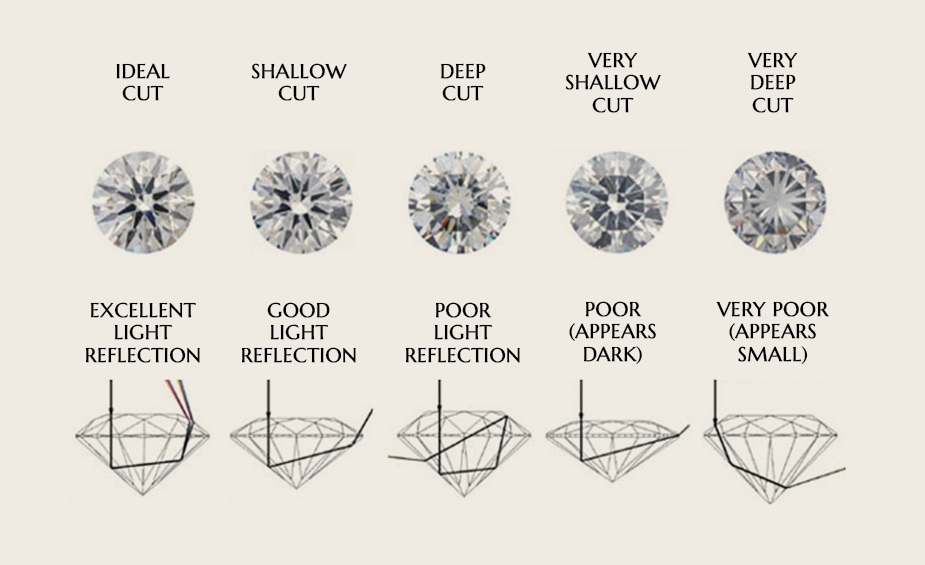
The cut of a diamond is the key to its sparkle. It measures how expertly the diamond’s facets reflect light, creating fire, brilliance, and scintillation. Even the most flawless diamond can appear dull if poorly cut—so a precise cut is essential for true radiance

1. Excellent Cut Diamond

Experience the pinnacle of brilliance with an Excellent cut diamond. Expertly proportioned and polished, it reflects nearly all light, creating unmatched fire, sparkle, and scintillation. Perfect for engagement rings and high-end jewelry, these diamonds combine GIA or IGI certification with maximum visual impact.

2. Very Good Cut Diamond

A Very Good cut diamond delivers exceptional sparkle and near-perfect light performance. Crafted with precision, it offers stunning brilliance and fire, making it an ideal choice for fine jewelry that balances beauty and value. Certified by trusted gemological labs for quality assurance.

3. Good Cut Diamond

Good cut diamonds reflect most light, showcasing attractive brilliance at a more accessible price point. While slightly less radiant than higher grades, these diamonds still dazzle in everyday jewelry, with certification from GIA, HRD or IGI for peace of mind.

4. Fair Cut Diamond

Fair cut diamonds may show some light leakage, resulting in less sparkle than premium cuts. Ideal for pieces emphasizing size or color over maximum brilliance, they remain a beautiful option for custom designs and statement jewelry.

5. Poor Cut Diamond

A Poor cut diamond reflects minimal light, producing limited fire and brilliance. Best suited for budget-conscious jewelry buyers or for accent stones where sparkle is not the priority. Each stone is certified, ensuring transparency in quality.

Every diamond in our collection is certified by GIA, HRD or IGI, ensuring precision cuts and unmatched quality.

Precision Diamond Cut Inspection at Gallery Diamond

At Gallery Diamond, every single diamond is meticulously inspected in-house to ensure optimal brilliance. Using advanced Proportion Scope scanning instruments, our gemologists evaluate cut, proportions, symmetry, and light performance with unparalleled precision.

This strict, scientific approach guarantees that each diamond achieves maximum fire, sparkle, and scintillation, delivering the brilliance you see in the jewelry.

With GIA, HRD and IGI standards guiding every assessment, you can shop confidently knowing your diamond is expertly cut and certified.

💎 Experience the brilliance of diamonds inspected with cutting-edge technology and expert gemological care

💎 Shop Certified Diamonds — Expertly Cut for Maximum Brilliance

Every Gallery Diamond is inspected in-house using Proportion Scope scanning instruments, ensuring precise cut, symmetry, and maximum brilliance. Certified and expertly evaluated, each diamond delivers unmatched sparkle and fire.