Old Mine vs Old European Cut Diamonds

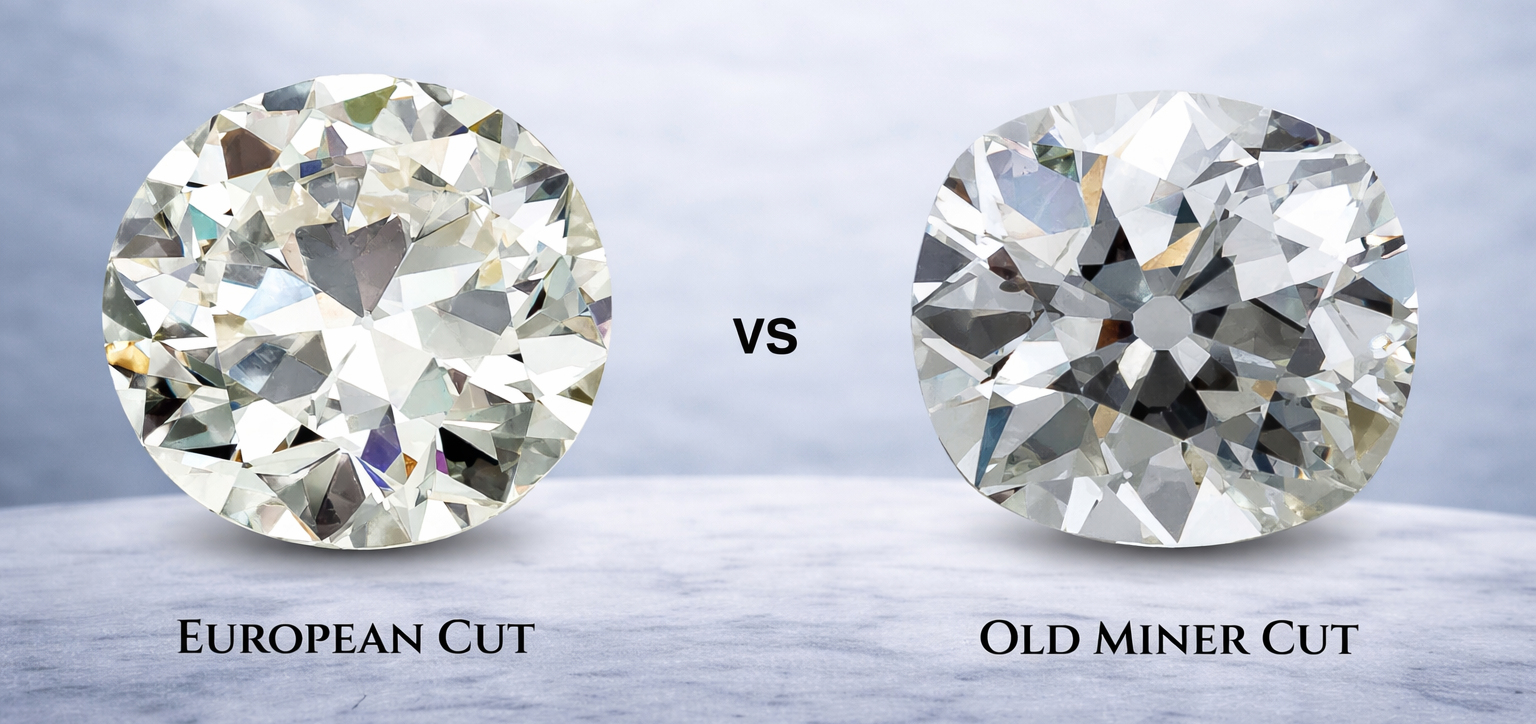
Old mine cut diamonds and old European cut diamonds both carry historical significance and unique charm. While the old mine cut is prized for its antique character and cushion-like silhouette, the old European cut reflects the evolution of diamond cutting, offering enhanced brilliance and symmetry.

đź’Ž Old European Cut Diamonds

Historical Era: Late 19th – early 20th century

Shape: Classic round, highly symmetrical

Distinctive Features:

• Smaller culet and larger table
• More uniform facets
• Taller crown, optimized for light reflection

Gemological Character:

The old European cut bridges antique charm with modern brilliance. It offers enhanced sparkle and fire, making it ideal for those seeking a luminous, refined diamond. This cut paved the way for the modern round brilliant, combining elegance with precision.

đź’Ž Old Mine Cut Diamonds

Historical Era: 18th – early 19th century

Shape: Cushion-like with softly rounded corners

Distinctive Features:

• High crown and deep pavilion
• Broad, hand-cut facets
• Pronounced, open culet
• Slight irregularities in symmetry, emphasizing artisanal craftsmanship

Gemological Character:

The old mine cut exudes a warm, antique glow, with a softer sparkle that highlights fire rather than brilliance. Its hand-cut irregularities give each stone a one-of-a-kind personality—perfect for collectors who value history and individuality.

⚖️ Key Comparisons

Old European Cut

SHAPE: Round, perfectly balanced

FACETING: Smaller facets, bright brilliance

CROWN & PAVILION: Taller crown, shallower pavilion for light return

CULET: Small, almost closed

LIGHT PERFORMANCE: Lively brilliance and fire

HISTORICAL CONTEXT: Precision-cut with advanced tools
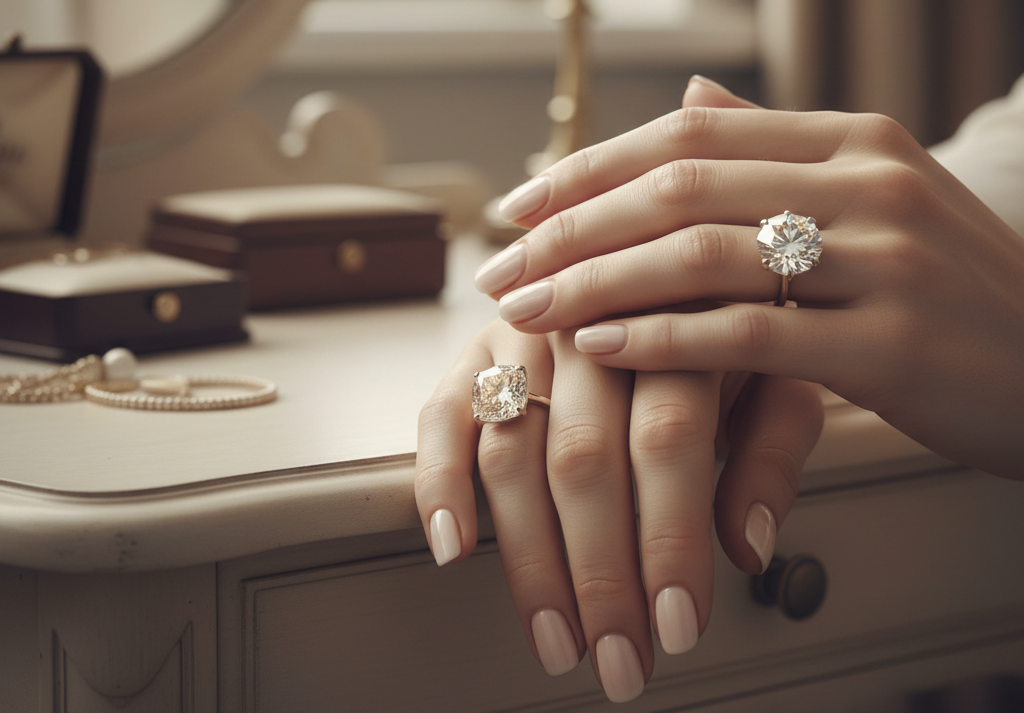
Old Mine Cut

SHAPE: Cushion-like, chunky, less uniform

FACETING: Large facets, soft sparkle

CROWN & PAVILION: High crown, deep pavilion

CULET: Open, pronounced

LIGHT PERFORMANCE: Warm glow, antique fire

HISTORICAL CONTEXT: Hand-cut to preserve weight

✨ Collector's Insight

Both cuts are celebrated for their individuality:

• Old mine cut diamonds capture the artisanal hand-cut character of the 18th and early 19th centuries.
• Old European cut diamonds reflect technological advancements and a move toward modern brilliance.

The choice between them is guided by personal taste, appreciation of history, and desired optical effects. In every case, these diamonds are treasured not only for their sparkle but also for the story they carry—a tangible link to centuries of gemological artistry.

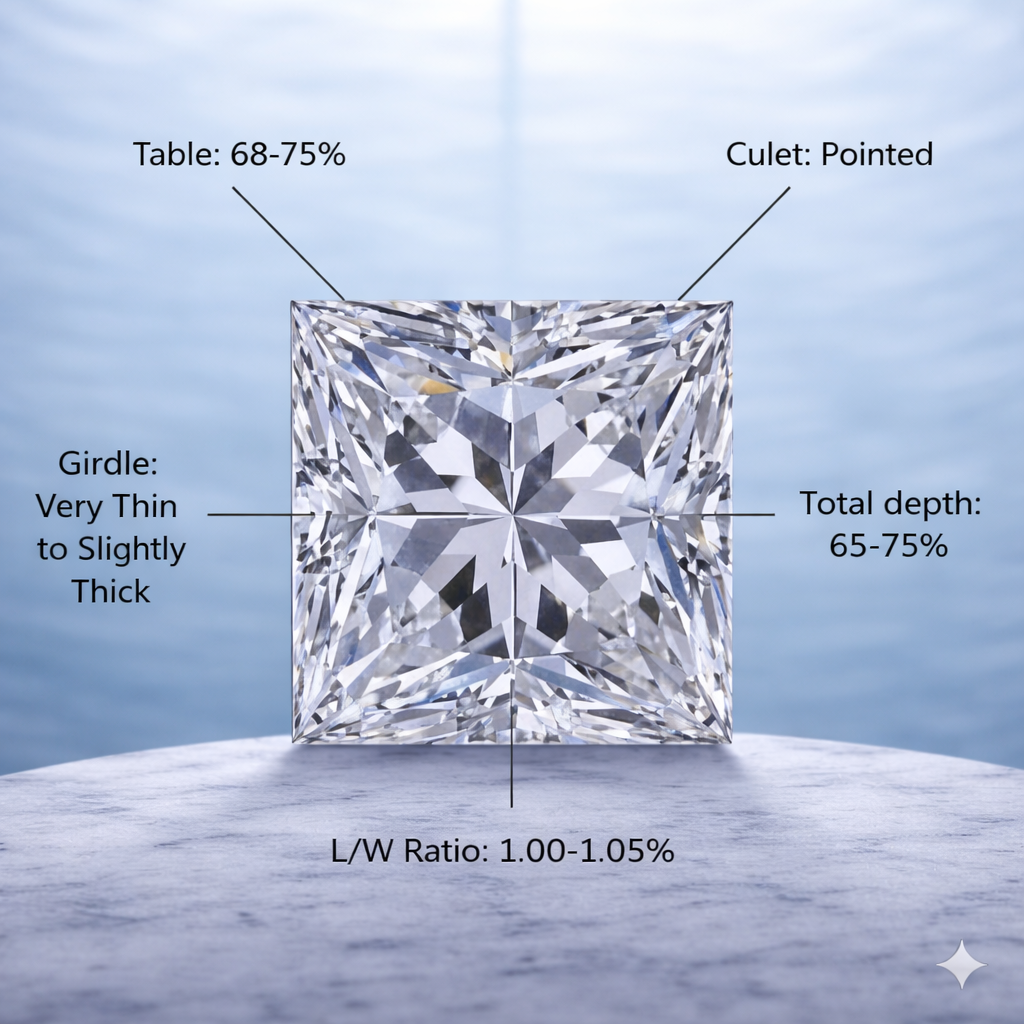
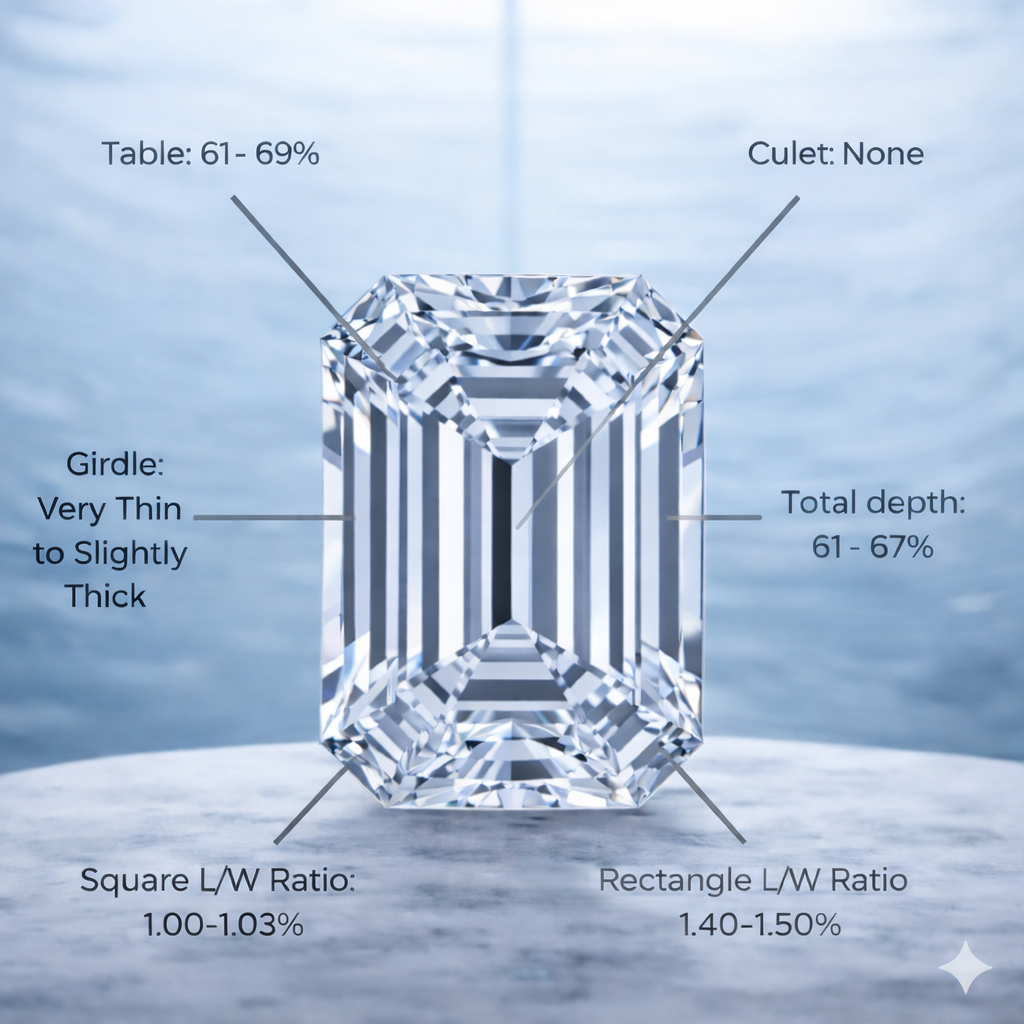
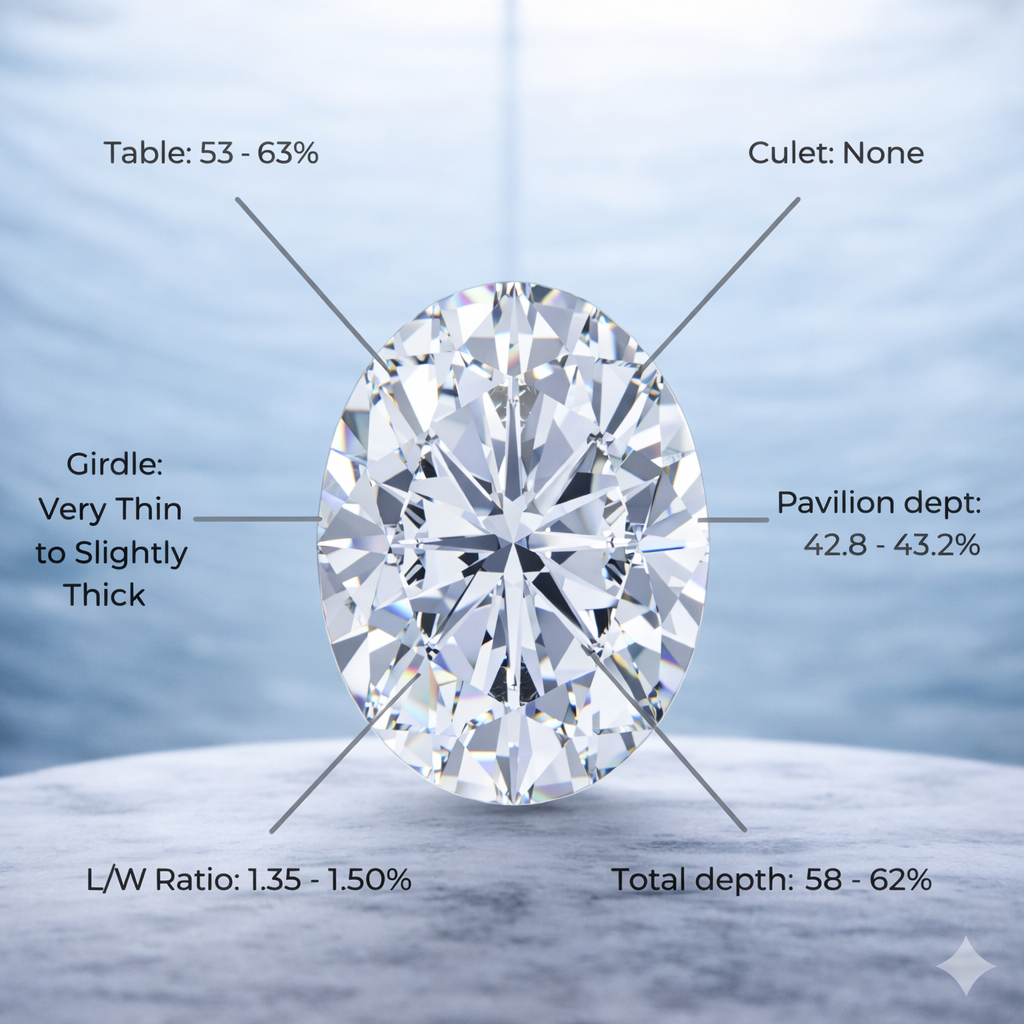
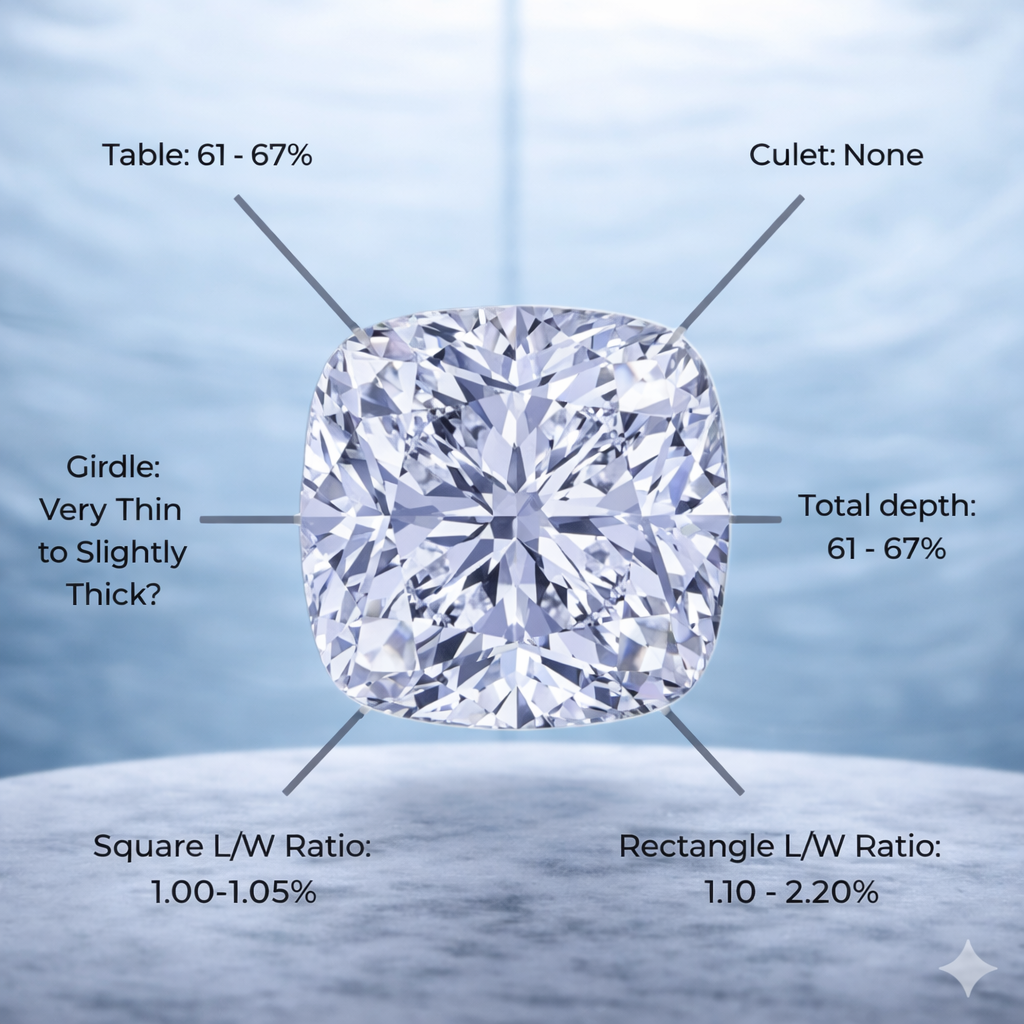
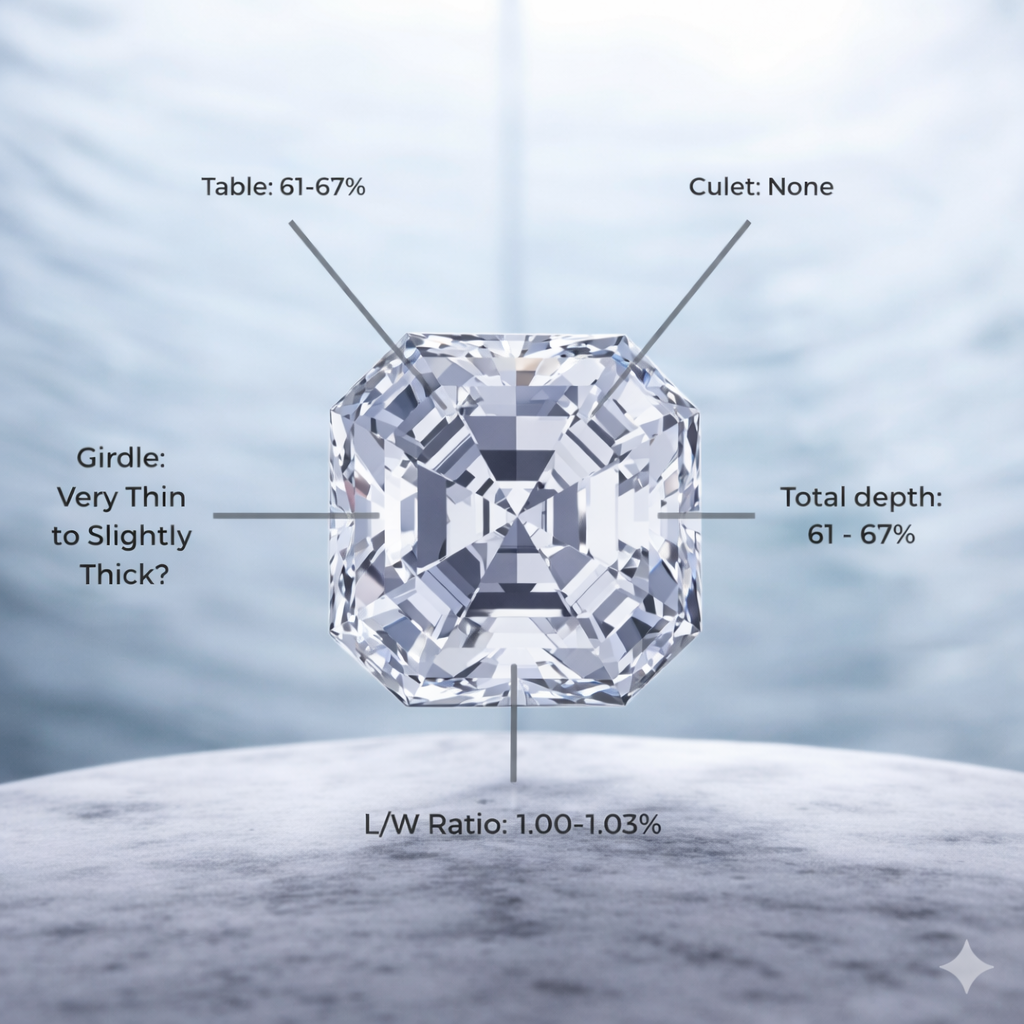
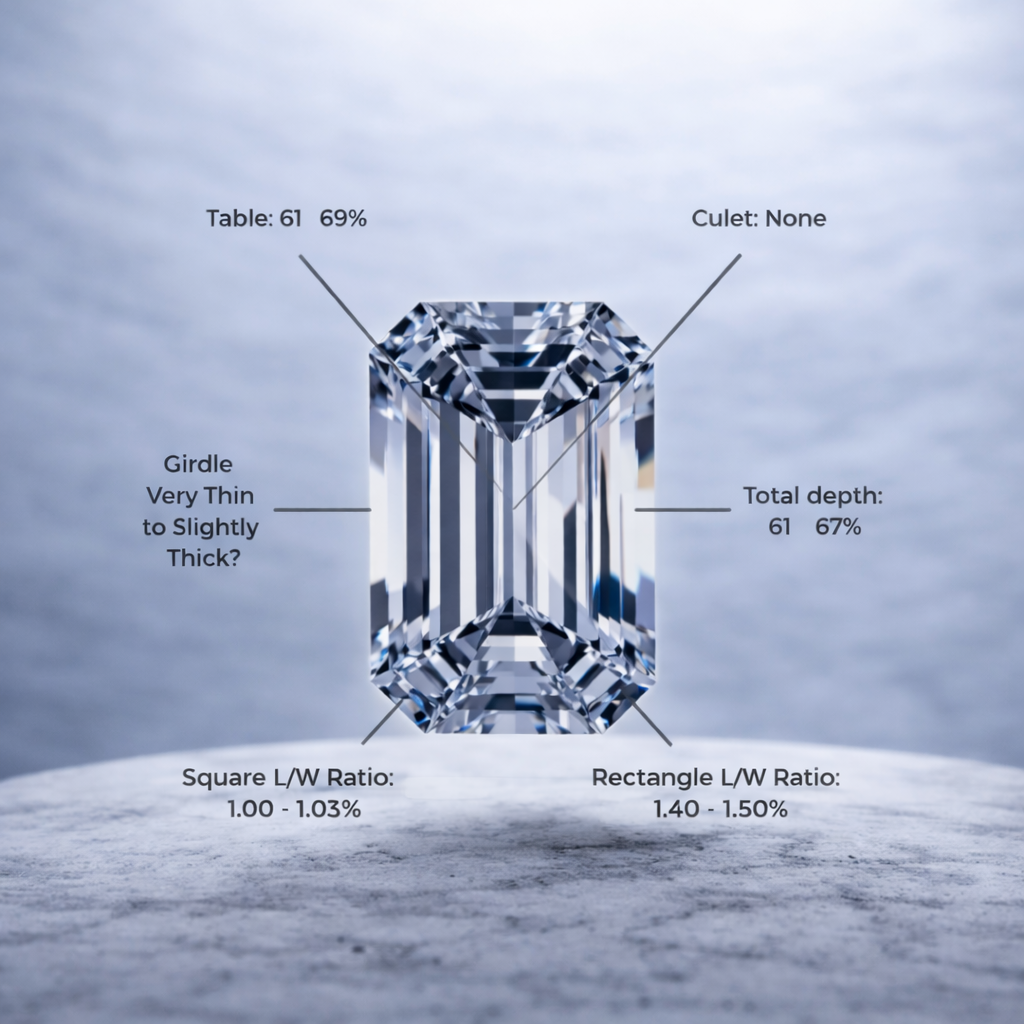
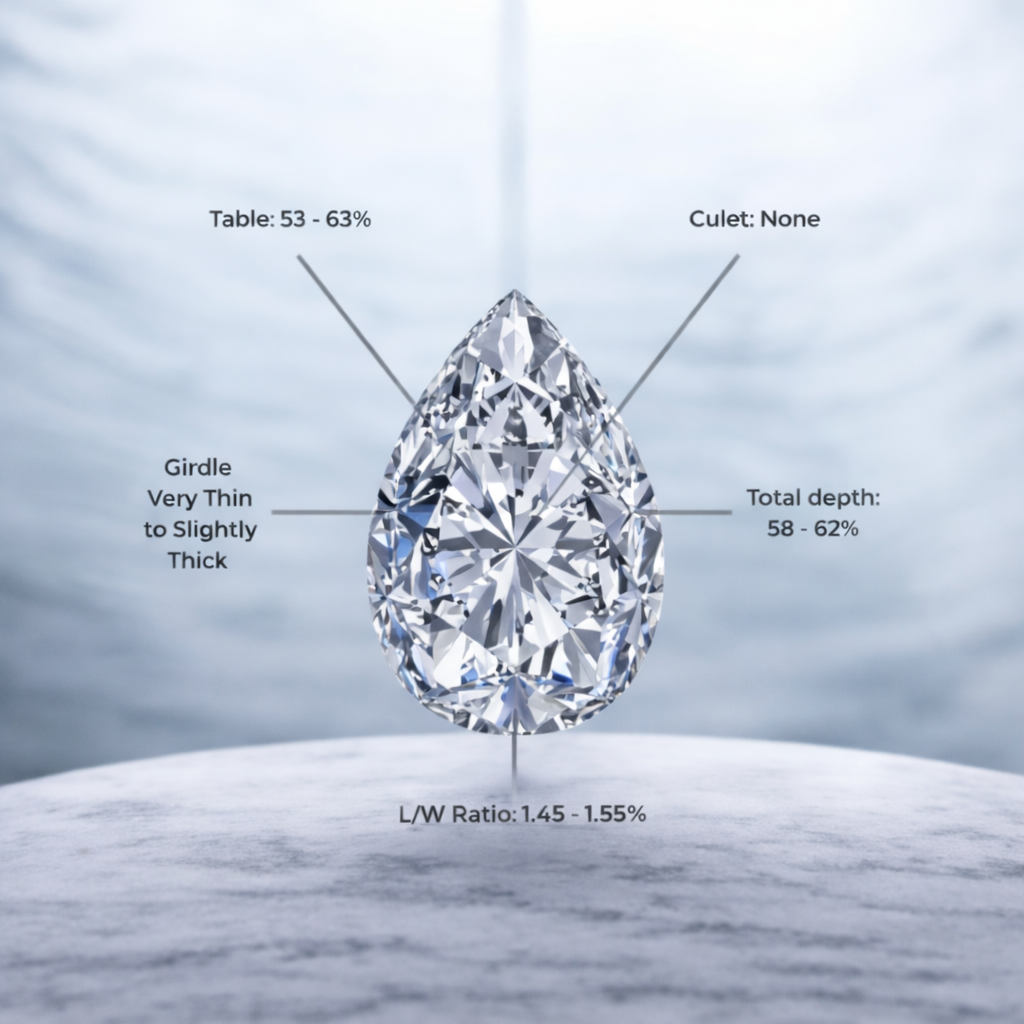
CUT PROPORTIONS IN FANCY CUT DIAMONDS AND ROUND BRILLIANT DIAMOND